
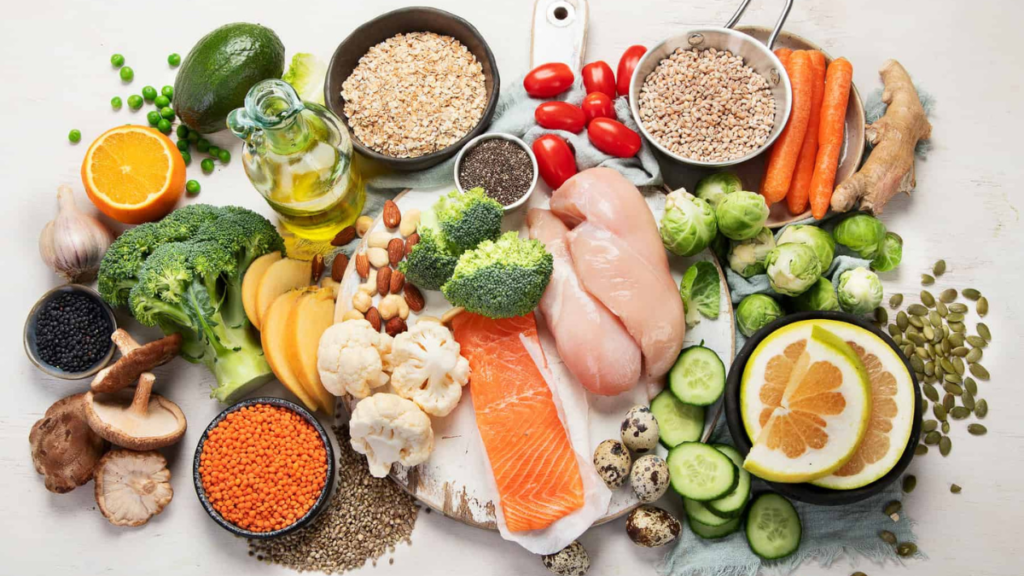
Building a strong and healthy body isn’t about finding one miracle food. It’s about consistently giving your body the protein, fiber, healthy fats, vitamins, minerals, and other nutrients it needs to function well.
A balanced diet built around vegetables, fruits, whole grains, quality protein sources, nuts, seeds, and healthy fats can provide a strong nutritional foundation for everyday health.
Here are 15 nutritious foods worth including in a balanced diet.
1. Eggs
Eggs are a convenient source of high-quality protein and provide nutrients such as vitamin B12, selenium, choline, and several other vitamins and minerals.
Protein is particularly important because your body uses amino acids to build and maintain muscles and other tissues.
Eggs are also incredibly versatile. Try them boiled, scrambled, poached, or combined with vegetables for a nutrient-rich breakfast.
For people who regularly prepare smoothies, sauces, nut butters, soups, and other whole-food recipes, a high-performance Vitamix blender can make healthy meal preparation much easier.
2. Salmon
Salmon provides protein as well as omega-3 fatty acids.
Protein helps maintain body tissues and muscle, while dietary fats are important components of a balanced diet. Fish is one of the protein sources that can be incorporated regularly alongside beans, nuts, poultry, and other nutritious options.
Try grilled or baked salmon alongside vegetables and a whole grain such as quinoa or brown rice.
3. Spinach
Leafy greens such as spinach pack a considerable amount of nutrition into relatively few calories.
Spinach provides folate, vitamin K, vitamin A precursors, vitamin C and minerals such as magnesium and iron.
Add spinach to salads, omelets, soups and smoothies, or lightly sauté it with olive oil and garlic.
4. Greek Yogurt
Greek yogurt provides protein and calcium and can also contain live bacterial cultures.
Choose plain varieties when possible so you can control how much added sugar goes into your meal. Add berries, nuts, seeds, or a small amount of fruit for extra flavor and nutrition.
5. Blueberries
Blueberries provide vitamin C, fiber and naturally occurring plant compounds, including anthocyanins.
One of the advantages of eating different fruits and vegetables is that different varieties contain different combinations of nutrients and plant compounds. That’s why variety matters.
Blueberries work well with oatmeal, Greek yogurt and smoothies or simply as a snack.
If smoothies are a regular part of your nutrition routine, investing in a premium professional blender for whole-food smoothies can make it easier to combine berries, leafy greens, seeds and other nutritious ingredients.
6. Sweet Potatoes
Sweet potatoes provide carbohydrates, fiber, potassium and beta-carotene, which the body can convert into vitamin A.
Carbohydrates have an important role in providing energy, particularly when they come from nutrient-rich whole foods.
Roast sweet potatoes with herbs and olive oil or combine them with vegetables and a quality protein source for a balanced meal.
7. Almonds
Almonds provide healthy unsaturated fats, plant protein, fiber, vitamin E and magnesium.
A small handful makes an easy snack, while chopped almonds can add texture to oatmeal, yogurt and salads.
Because nuts are calorie-dense, reasonable portions can help you enjoy their nutritional benefits while keeping your overall diet balanced.
8. Broccoli
Broccoli is a cruciferous vegetable providing fiber, vitamin C, vitamin K, folate and numerous naturally occurring plant compounds.
Eating a variety of vegetables is more important than relying heavily on one particular vegetable. Rotate broccoli with foods such as kale, cauliflower, cabbage, peppers and leafy greens.
Steaming or roasting broccoli can make it an easy addition to lunch or dinner.
9. Oats
Oats are a whole grain and a useful source of carbohydrates and fiber.
Unlike refined grains, whole grains retain the bran and germ along with the endosperm, giving them a broader nutritional profile.
Build a nutritious bowl of oatmeal with berries, chia seeds, nuts and plain Greek yogurt instead of relying on heavily sweetened breakfast cereals.
10. Avocados
Avocados provide predominantly unsaturated fats along with fiber, potassium, folate and several vitamins.
Healthy dietary fats are important within an overall balanced eating pattern, and avocado provides an easy whole-food source.
Add sliced avocado to salads, whole-grain toast, eggs or grain bowls.
For people who enjoy making fresh vegetable and fruit drinks at home, a premium Breville cold juicer can be a useful kitchen appliance. Remember that whole fruits and vegetables retain their fiber, so juices are best viewed as an addition to—not a replacement for—whole produce.
11. Lentils
Lentils combine plant protein, complex carbohydrates and fiber while providing nutrients including folate and iron.
They’re an excellent example of why protein doesn’t always have to come from animal foods.
Use lentils in soups, curries, salads, stews or grain bowls. Combining several different plant protein sources throughout your diet can help provide a broad range of essential amino acids and nutrients.
12. Quinoa
Quinoa provides carbohydrates, fiber, protein and minerals such as magnesium.
It can serve as an alternative to heavily refined grains and works especially well as the base of a balanced meal.
Try combining quinoa with roasted vegetables, chickpeas, avocado and a protein source for an easy nutrient-dense lunch.
13. Walnuts
Walnuts provide unsaturated fats, plant protein, fiber and alpha-linolenic acid (ALA), a plant-based omega-3 fatty acid.
They can be added to oatmeal, salads and yogurt or eaten in moderate portions as a snack.
Keeping nutritious foods such as nuts, seeds and fruit readily available can also make healthier snacking more convenient.
14. Chicken Breast
Chicken breast is a lean source of protein that can contribute to maintaining muscle and other body tissues.
It can be grilled, roasted or baked and paired with vegetables, whole grains and healthy fats to create a balanced meal.
Your cooking method matters too. Instead of regularly deep-frying foods, grilling, roasting, steaming and baking can help keep meals relatively simple.
People who prepare meals regularly may find a premium countertop convection oven and air fryer useful for roasting vegetables, cooking lean proteins and preparing healthier homemade meals.
15. Extra-Virgin Olive Oil
Extra-virgin olive oil provides mostly monounsaturated fat and is an easy way to incorporate unsaturated fat into everyday meals.
Use it in salad dressings, drizzle it over vegetables, or use appropriate amounts when cooking.
Olive oil works best as one component of an overall healthy dietary pattern rather than something that needs to be consumed in unusually large quantities.
For people serious about improving their home cooking setup, a premium stainless-steel cookware set can support years of preparing vegetables, whole grains, fish, eggs and other nutritious meals at home.
Building a Stronger Diet Is About the Whole Picture
These 15 foods can all contribute useful nutrients, but no single ingredient can create a strong and healthy body on its own.
Aim for variety.
Build most of your meals around colorful vegetables and fruits, whole or minimally processed grains, nutritious protein sources and healthy fats. Drink enough water and combine good nutrition with regular physical activity, adequate sleep and other healthy lifestyle habits.
A simple balanced meal might include:
½ plate vegetables and fruit + ¼ plate whole grains + ¼ plate quality protein + a source of healthy fat.
The goal isn’t to eat perfectly. It’s to develop an eating pattern you can maintain consistently.

