Vitamin C is an essential nutrient that supports normal immune function, collagen production, antioxidant protection, and iron absorption. One of the easiest ways to get vitamin C is through a varied diet that includes plenty of fruits and vegetables.
If you’re looking for simple ways to add more vitamin C-rich foods to your meals, here are 10 nutritious options to consider.
1. Red Bell Peppers
Red bell peppers are among the richest common food sources of vitamin C. They can be enjoyed raw, roasted, grilled, or added to salads and stir-fries.
A high-quality food processor can make it easier to chop peppers and prepare homemade vegetable-based meals.
2. Oranges
Oranges are one of the best-known sources of vitamin C. They make an easy snack and can also be added to breakfast bowls, salads, and smoothies.
If you enjoy making fresh drinks at home, a cold press juicer can be useful for preparing homemade fruit and vegetable juices.
3. Kiwi
Kiwi provides vitamin C along with fiber and other nutrients. Its naturally sweet and slightly tart flavor makes it a versatile addition to breakfast and snacks.
Adding kiwi to smoothies is easy with a powerful countertop blender.
4. Green Bell Peppers
Green bell peppers contain vitamin C and can be incorporated into salads, wraps, omelets, soups, and stir-fries.
A quality vegetable chopper can save preparation time when you’re regularly adding vegetables to meals.
5. Broccoli
Broccoli provides vitamin C as well as fiber and other important nutrients. Lightly steaming it can make a simple and nutritious side dish.
A stainless steel vegetable steamer can make steaming vegetables quick and convenient.
6. Strawberries
Strawberries are a tasty source of vitamin C and can be enjoyed with yogurt, oatmeal, smoothies, or on their own.
For convenient preparation and storage, reusable food storage containers can help keep prepared fruit and other healthy foods organized.
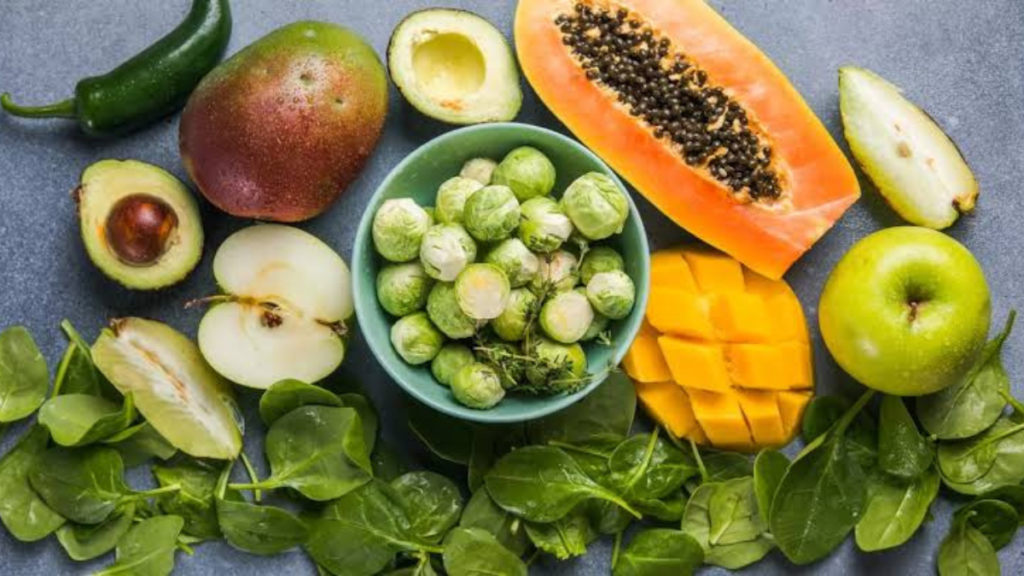
7. Brussels Sprouts
Brussels sprouts contain vitamin C and can be roasted, steamed, or sautéed. They work particularly well as part of a balanced lunch or dinner.
A digital kitchen scale can also be useful when preparing balanced meals and keeping track of ingredient portions.
8. Grapefruit
Grapefruit provides vitamin C and can be eaten fresh as part of breakfast or a snack.
If you enjoy preparing fresh citrus drinks, a citrus juicer can make juicing oranges, grapefruit, lemons, and other citrus fruits easier.
Important: Grapefruit can interact with certain medications. If you take prescription medication, check with your healthcare professional before regularly consuming grapefruit or grapefruit juice.
9. Cantaloupe
Cantaloupe provides vitamin C along with water and other nutrients. It can be enjoyed fresh, added to fruit salads, or blended into smoothies.
A reliable personal blender can be convenient for making quick fruit and vegetable smoothies.
10. Cauliflower
Cauliflower is another versatile vegetable that provides vitamin C. It can be eaten raw, steamed, roasted, or incorporated into soups and other dishes.
A multi-purpose kitchen appliance can simplify chopping, blending, and preparing a variety of vegetable-based meals.
How Much Vitamin C Do You Need?
The recommended daily amount of vitamin C for adults is generally 90 mg for men and 75 mg for women. People who smoke need an additional 35 mg per day because smoking increases the body’s vitamin C requirements.
Eating a variety of fruits and vegetables throughout the day is one of the simplest ways to increase your vitamin C intake.
Does Cooking Affect Vitamin C?
Vitamin C is water-soluble, so some vitamin C can be lost during cooking. Longer cooking times can result in greater nutrient losses.
When appropriate, enjoy some vitamin C-rich foods raw and consider gentler cooking methods such as steaming.
A quality food steamer can be useful for preparing vegetables without complicated cooking methods.
Should You Take a Vitamin C Supplement?
Most people should aim to get their nutrients primarily through a varied diet. Fruits and vegetables provide vitamin C together with fiber and many other beneficial nutrients.
Supplements may be useful in certain situations, but more isn’t necessarily better. If you’re considering supplementation, speak with a healthcare professional about what is appropriate for you.
For those who have been advised to supplement, vitamin C supplements are widely available in different forms and dosages.
Final Thoughts
Adding vitamin C-rich foods to your diet doesn’t have to be complicated. Red bell peppers, oranges, kiwi, green bell peppers, broccoli, strawberries, Brussels sprouts, grapefruit, cantaloupe, and cauliflower are all nutritious choices.
The key is variety. Rather than relying on a single food or supplement, build meals around a wide range of colorful fruits and vegetables.
And with a few useful kitchen tools, preparing nutritious meals can become easier and more convenient.