
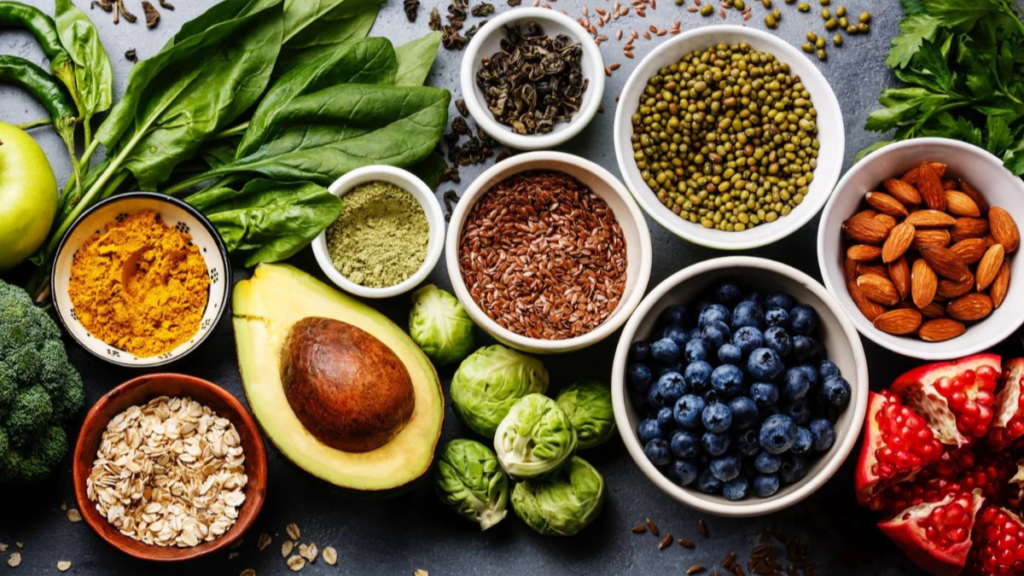
Your gut plays an important role in digestion, nutrient absorption, and overall wellness. One of the simplest ways to support a healthy gut is by eating a variety of fiber-rich and nutrient-dense foods.
Here are 12 foods that can be a great addition to a gut-friendly diet.
1. Yogurt
Yogurt containing live and active cultures can provide beneficial bacteria that support a healthy gut microbiome. Choose plain or low-sugar varieties when possible.
You can also pair yogurt with probiotic supplements if you’re looking for additional ways to support your digestive routine.
2. Oats
Oats are rich in soluble fiber, including beta-glucan. Fiber helps support regular digestion and provides nourishment for beneficial gut bacteria.
Try adding organic rolled oats to breakfast with berries, nuts, or seeds.
3. Bananas
Bananas provide fiber and resistant starch, particularly when they are slightly underripe. These compounds can help support the beneficial bacteria living in your digestive system.
4. Chia Seeds
Chia seeds are an excellent source of dietary fiber. When mixed with liquid, they form a gel-like texture that can help add bulk to your diet.
Adding chia seeds to yogurt, smoothies, or oatmeal is an easy way to increase your daily fiber intake.
5. Apples
Apples contain fiber, including pectin, which can be fermented by gut bacteria. Eating the apple with its skin provides even more fiber.
6. Kefir
Kefir is a fermented milk drink that can contain a variety of live microorganisms. It can be enjoyed on its own or added to smoothies.
If you enjoy fermented foods, kefir starter grains can also be used to make homemade kefir.
7. Lentils
Lentils are packed with plant-based protein and dietary fiber. Regularly including legumes such as lentils in your meals can contribute to a diverse, fiber-rich diet.
8. Sauerkraut
Sauerkraut is fermented cabbage and can contain beneficial microorganisms when it has been traditionally fermented and is not heavily processed.
Adding a small serving to meals can be an easy way to include fermented foods in your diet.
9. Garlic
Garlic contains prebiotic compounds that can help nourish certain beneficial bacteria in the gut. It also adds plenty of flavor to meals without requiring much preparation.
10. Berries
Berries such as blueberries, raspberries, and strawberries provide fiber and plant compounds called polyphenols. Their combination of fiber and antioxidants makes them a nutritious addition to a balanced diet.
11. Almonds
Almonds provide fiber, healthy fats, protein, and other nutrients. A small handful can make a convenient snack between meals.
For an easy option, keep raw almonds available for a quick, nutrient-dense snack.
12. Avocado
Avocados provide dietary fiber along with healthy monounsaturated fats. Adding avocado to salads, whole-grain toast, or meals can help increase your intake of both fiber and healthy fats.
How to Support a Healthy Gut
Eating one “superfood” isn’t necessary for good gut health. Instead, focus on variety.
Try to regularly include:
- Fiber-rich fruits and vegetables
- Whole grains
- Beans and lentils
- Nuts and seeds
- Fermented foods
- Adequate fluids
Increasing fiber gradually can also help your digestive system adjust and may reduce temporary bloating or discomfort.
Final Thoughts
A healthy gut starts with the overall quality and variety of your diet. Foods such as yogurt, oats, chia seeds, lentils, berries, garlic, and avocado can provide fiber, beneficial microorganisms, and other nutrients that support digestive wellness.
Rather than relying on one particular food, aim to build a balanced diet containing a wide variety of plant foods and minimally processed ingredients.

