
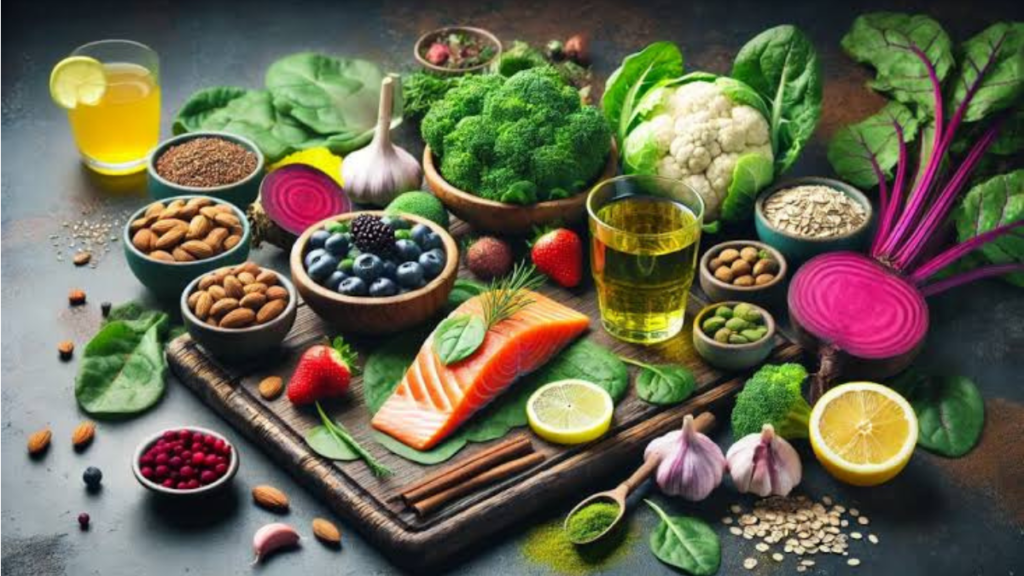
Your liver is one of the hardest-working organs in your body. It helps process nutrients, produces bile for digestion, stores energy, makes important proteins, and helps remove potentially harmful substances from the bloodstream.
There is no single food that can “detox” or cleanse your liver. However, eating a balanced diet rich in whole foods, fiber, healthy fats, and nutrient-dense plant foods can support normal liver function and overall metabolic health.
Here are 10 foods that can be part of a liver-friendly diet and simple ways to include them in your everyday meals.
1. Leafy Green Vegetables
Leafy greens such as spinach, kale, collard greens, and arugula provide fiber, vitamins, minerals, and a variety of beneficial plant compounds.
One of the easiest ways to eat more leafy greens is to add them to salads, soups, omelets, and smoothies.
If smoothies are part of your morning routine, a premium high-performance blender can make it easier to combine spinach or kale with berries, Greek yogurt, seeds, and other whole-food ingredients.
Try blending spinach, blueberries, plain Greek yogurt, chia seeds, and water for a simple nutrient-rich smoothie.
2. Fatty Fish
Salmon, sardines, trout, herring, and mackerel are excellent sources of protein and omega-3 fatty acids.
Omega-3 fats are unsaturated fats, and replacing some foods high in saturated fat with unsaturated-fat sources can contribute to a healthier overall dietary pattern.
Preparation matters too. Instead of regularly deep-frying fish, consider baking, grilling, steaming, or air frying it.
A premium large-capacity air fryer can make it convenient to prepare salmon, vegetables, and other whole foods using relatively little added oil.
Serve your fish with roasted vegetables and brown rice, quinoa, or another whole grain for a balanced meal.
3. Berries
Blueberries, strawberries, raspberries, and blackberries are packed with fiber, vitamins, and naturally occurring plant compounds known as polyphenols.
Their combination of nutrients and antioxidants makes berries a valuable addition to a balanced diet.
Fresh and frozen berries are both convenient. Add them to oatmeal, yogurt, smoothies, or salads instead of relying on heavily sweetened toppings.
For a quick breakfast, combine plain Greek yogurt with blueberries, raspberries, walnuts, and a small amount of chia or flaxseed.
4. Oats
Oats are a whole grain that provides soluble fiber, including beta-glucan.
Fiber is important for digestive and metabolic health, and choosing fiber-rich whole grains instead of highly refined carbohydrates can improve the overall nutritional quality of your diet.
Choose plain rolled oats or steel-cut oats when possible, particularly if you’re trying to reduce added sugar.
You can naturally sweeten oatmeal with berries, banana, cinnamon, or chopped apple.
For easier meal preparation, a high-end multifunction food processor can help prepare nuts, seeds, fruits, vegetables, and other whole-food ingredients that can be incorporated into breakfasts and meals throughout the week.
5. Avocados
Avocados provide fiber, potassium, vitamins, and predominantly monounsaturated fats.
Unsaturated fats can be a healthier replacement for foods containing large amounts of saturated fat when consumed as part of an overall balanced diet.
Avocado is also extremely versatile. Add it to whole-grain toast, salads, wraps, grain bowls, or homemade dips.
For a simple lunch, try whole-grain toast topped with avocado, tomato, an egg, and freshly ground black pepper.
6. Walnuts
Walnuts provide plant-based omega-3 fatty acids, protein, fiber, and other beneficial nutrients.
They’re easy to incorporate into meals without dramatically changing your diet.
Add a small handful to oatmeal or yogurt, sprinkle chopped walnuts over salads, or combine them with fruit for a simple snack.
Nuts are calorie-dense, so moderate portions are generally enough. They should be viewed as one component of an overall healthy eating pattern rather than as a treatment or “detox” food for the liver.
7. Broccoli
Broccoli belongs to the cruciferous vegetable family alongside cauliflower, cabbage, Brussels sprouts, and kale.
These vegetables provide fiber, vitamins, minerals, and numerous naturally occurring plant compounds.
Try roasting broccoli with a small amount of extra-virgin olive oil, garlic, herbs, and black pepper. You can also steam it and serve it alongside fish, chicken, beans, or whole grains.
If you’re trying to prepare more meals at home, a premium stainless steel cookware set can make steaming, sautéing, and preparing vegetables and other whole foods more convenient.
The important part isn’t expensive cookware—it’s developing a routine that makes nutritious home-cooked meals easier to prepare consistently.
8. Extra-Virgin Olive Oil
Extra-virgin olive oil is a major source of monounsaturated fat and is commonly associated with Mediterranean-style eating patterns.
It can be used as an alternative to some sources of saturated fat and works particularly well with vegetables, salads, whole grains, and fish.
Try making a simple salad dressing with extra-virgin olive oil, fresh lemon juice, herbs, and black pepper.
Remember that olive oil is calorie-dense. You don’t need large quantities to incorporate it into a healthy diet.
9. Beans and Lentils
Beans, chickpeas, peas, and lentils provide plant-based protein, fiber, complex carbohydrates, vitamins, and minerals.
Their high fiber content can make them particularly filling, which makes them useful when building satisfying meals around minimally processed foods.
Add lentils to soups, chickpeas to salads, or black beans to whole-grain bowls.
For example, combine lentils with spinach, tomatoes, cucumber, avocado, quinoa, and a drizzle of extra-virgin olive oil for a simple plant-focused meal.
Preparing healthy meals in advance can also make it easier to stick to better eating habits. A premium vacuum food-sealing system can help portion and preserve vegetables, fish, grains, and other prepared ingredients for future meals.
10. Coffee
Coffee is one of the more extensively studied beverages in relation to liver health. Research has associated coffee consumption with several favorable liver outcomes, although coffee should never be viewed as a treatment for liver disease.
If you already drink coffee and tolerate caffeine well, consider keeping it relatively simple.
Large amounts of added sugar, flavored syrups, whipped cream, and high-calorie creamers can turn an ordinary cup of coffee into a very different beverage nutritionally.
For people who regularly prepare coffee at home, a premium automatic espresso and coffee machine can make freshly prepared coffee convenient without relying on heavily sweetened coffee-shop drinks.
You don’t need an expensive coffee machine for health benefits, however. Regular brewed coffee can be perfectly adequate.
What Else Can You Do to Support Liver Health?
Eating nutritious foods is only one part of maintaining overall liver health.
Build most of your diet around vegetables, fruits, whole grains, beans, lentils, nuts, fish, lean proteins, and unsaturated fats. At the same time, try to limit excessive amounts of added sugar, sugar-sweetened beverages, highly processed foods, and foods particularly high in saturated fat.
Regular physical activity, maintaining a healthy weight, getting adequate sleep, and avoiding excessive alcohol consumption are also important parts of protecting long-term liver health.
Rather than looking for a quick liver cleanse or detox diet, focus on sustainable habits you can maintain over time. Your liver already has sophisticated systems for processing and eliminating substances from your body—the goal of a healthy lifestyle is to support those normal functions.
If you have fatty liver disease, hepatitis, cirrhosis, or another diagnosed liver condition, speak with your healthcare professional or registered dietitian about your individual nutritional needs.

