
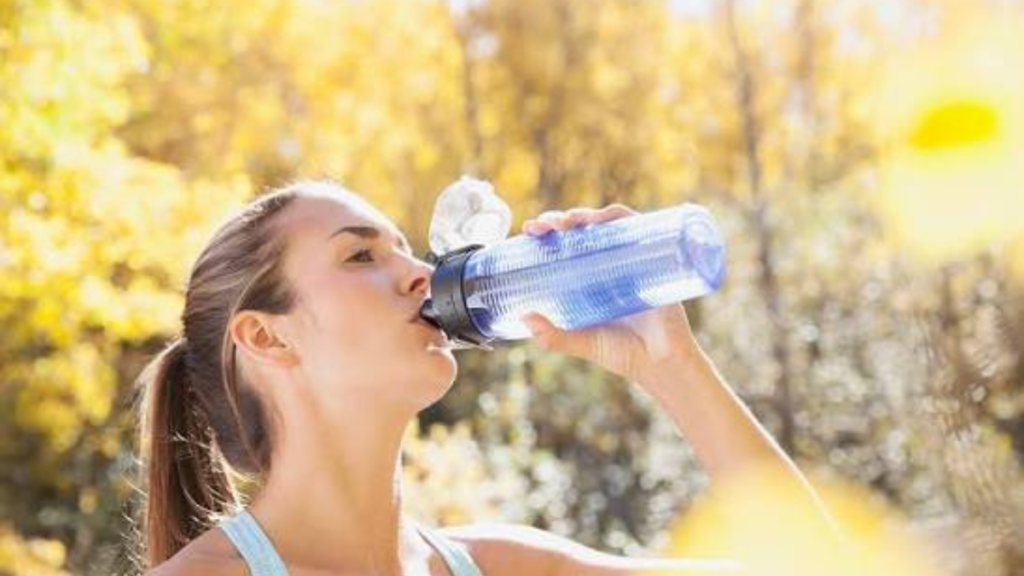
Staying hydrated is one of the simplest ways to support your overall health and well-being. Water helps regulate body temperature, transport nutrients, support normal digestion, lubricate joints, and keep many everyday processes functioning properly.
But good hydration isn’t about forcing yourself to drink huge amounts of water. Instead, small habits can make getting enough fluids easier and more natural.
Here are 12 practical ways to support better hydration every day.
1. Start Your Morning With Water
After several hours of sleep, drinking some water is an easy way to begin adding fluids to your day.
Try having a glass shortly after waking or alongside breakfast. Keeping water somewhere visible can help turn this into a regular morning habit.
You don’t need an elaborate routine—the goal is simply to make water part of the way you naturally start your day.
2. Keep Water Within Easy Reach
You’re much more likely to drink water consistently when it’s readily available.
Keep a bottle beside you while working, take it in the car, and carry it when exercising or spending time outdoors.
A premium insulated stainless steel water bottle can keep water cold for hours while making it convenient to stay hydrated wherever your day takes you.
Choose a bottle that’s comfortable to carry and large enough that you don’t need to constantly refill it.
3. Eat More Water-Rich Foods
Water doesn’t have to come exclusively from beverages.
Many fruits and vegetables naturally contain large amounts of water. Good choices include watermelon, cucumbers, strawberries, oranges, tomatoes, celery, lettuce, zucchini, and melon.
These foods also provide fiber, vitamins, minerals, and other nutrients, making them valuable additions to an overall balanced diet.
Try incorporating several different water-rich fruits and vegetables into your meals and snacks.
4. Make Filtered Water Convenient at Home
If you don’t enjoy the taste or smell of your household water, you may naturally be less inclined to drink it.
Making good-tasting filtered water easily accessible can help.
A premium countertop reverse osmosis water purification system can provide filtered drinking water at home without requiring you to continually purchase individual bottles.
When choosing a filtration system, look for appropriate independent certifications and select one designed for your household’s water conditions and filtration needs.
5. Drink Water With Your Meals
Breakfast, lunch, and dinner provide three natural opportunities to drink more fluids.
Try making a glass of water part of every meal. Keeping a pitcher or bottle on the table can provide a simple visual reminder.
Choosing water more frequently with meals may also make it easier to reduce your reliance on sugar-sweetened drinks.
6. Make Hot and Cold Water Easily Available
Convenience can make healthy habits much easier to maintain.
If you enjoy cold drinking water or frequently prepare hot beverages such as unsweetened tea, having both readily available can be useful.
A premium bottleless hot and cold water dispenser can provide convenient access to drinking water throughout the day and may work particularly well in larger households, kitchens, or home offices.
Having water immediately available removes another small barrier between you and better hydration.
7. Pay More Attention When Exercising
Physical activity increases fluid loss through sweating.
Keep water available before, during, and after exercise, particularly during longer workouts or when exercising in warm or humid conditions.
How much fluid you need will depend on factors such as exercise intensity, duration, temperature, and how heavily you sweat.
Instead of waiting until you’ve finished exercising to think about hydration, make drinking fluids part of your workout routine.
8. Make Plain Water More Interesting
If you don’t enjoy plain water, there are plenty of ways to make it more interesting without relying heavily on added sugar.
Try adding lemon, lime, cucumber, berries, orange, mint, or ginger.
If you enjoy carbonation, a premium stainless steel sparkling water maker can provide sparkling water at home and give you another alternative to sweetened soft drinks.
Fresh fruit and herbs can then be added for additional flavor.
9. Consider a Whole-Home Water Filtration System
If water quality is an important concern throughout your household, you may want something more comprehensive than a drinking-water filter.
A premium whole-house water filtration system treats water at the household level and represents one of the higher-priced product categories naturally related to hydration and home wellness.
However, different filtration technologies address different water-quality issues. Before investing in a system, consider having your water tested and choose filtration equipment designed for the specific contaminants or characteristics you want to address.
10. Replace Some Sugary Drinks With Water
Soft drinks, sweetened teas, energy drinks, and other sugary beverages can contribute significant amounts of added sugar to your diet.
You don’t need to eliminate everything immediately.
Try replacing one sugary beverage each day with plain water, sparkling water, or naturally flavored water.
Small changes are often easier to maintain and can gradually make water your preferred everyday beverage.
11. Create Simple Hydration Reminders
Busy schedules can make it surprisingly easy to forget about drinking.
Instead of constantly tracking every glass, connect hydration to activities you already perform.
Drink some water after waking, with meals, during work breaks, before leaving home, and after exercise.
Keeping your bottle somewhere visible can also serve as a simple reminder.
The goal isn’t to obsess over every sip. It’s to make drinking fluids easy to remember.
12. Adjust Your Hydration to Your Day
Your fluid needs won’t necessarily be identical every day.
Exercise, heavy sweating, hot weather, diet, pregnancy or breastfeeding, illness, medications, and certain health conditions can influence how much fluid an individual needs.
Pay attention to thirst and make fluids readily available, particularly when your circumstances increase fluid losses.
If you’ve been advised to restrict or carefully manage your fluid intake because of a medical condition, follow the guidance of your healthcare professional.
How Much Water Do You Need Every Day?
There isn’t one exact amount that’s right for everyone.
Commonly cited adequate-intake estimates are around 3.7 liters of total water per day for adult men and 2.7 liters for adult women. Importantly, these amounts include water obtained from both beverages and foods—not just plain drinking water.
Your individual needs can vary according to activity, climate, diet, body size, life stage, and health circumstances.
Rather than becoming overly focused on hitting one specific number, make water readily accessible and adjust your intake according to your body’s needs and daily activities.
Make Better Hydration Part of Your Lifestyle
Supporting better hydration doesn’t require a complicated routine.
Start your morning with water, keep it nearby, eat plenty of water-rich foods, choose water more often with meals, and pay closer attention to fluids when you’re exercising or spending time in hot conditions.
Most importantly, make hydration convenient. Simple habits that fit naturally into your lifestyle are much easier to maintain over time.

